
How to Feel Full on a Plant Based Diet

The many benefits of following a plant-based diet are well know, which include reducing the risk of type 2 diabetes, cardiovascular disease and systemic inflammation. When going plant-based or reducing your consumption of meat and animal-derived products, it is important to start planning your meals. This can help to ensure your body is getting an adequate intake of macro and micro nutrients. It is common to feel more hungry when transitioning to a plant based diet. By making these simple changes, you will start to feel fuller for longer after each meal!


Try these 5 tips to help beat the hunger:


1. Increase your fibre intake

High fibre foods, in particular, those containing soluble fibre, take longer for the body to digest. Foods high in soluble fibre include legumes, vegetables and oats. Adding more fibre-rich foods to your meals is an easy way to help you feel full while eating a plant-based diet.

2. Focus on plant-based proteins

Adding plant-based proteins to your meals can help you to feel fuller after eating. It’s particularly important to focus on eating complete proteins, which include tempeh, lentils, chickpeas and quinoa. You can read more about plant-based proteins here: 5 great sources of plant-based protein. Our range of certified organic Falafels and Veggie Patties contain a number of beneficial plant-based proteins including lentils, chickpeas and quinoa. They can be added to your meals for a boost of fibre and protein. 

3.    Increase your intake of healthy fats

Studies have shown that fats promote satiety (the feeling of fullness). This can be due to taking longer to digest, as well as appetite regulation after consuming fat, which is mediated by a number of gut hormones. Healthy fats to add to your meals can include avocados, walnuts, hemp seeds, hemp oil, olive oil or flaxseed oil. Sprinkle nuts and seeds onto your salads or drizzle flaxseed oil for a boost of healthy fats.

4.    Have healthy snacks on hand

A simple but underestimated tip for ensuring you stay full after eating plant-based meals is ensuring you always have a healthy snack on hand. Some ideas can include a homemade trail mix with your favourite nuts and seeds, or protein balls made from a vegan protein. 

5.    Fill up on non-starchy vegetables

Add extra non-starchy vegetables to your diet. This can include leafy greens, broccoli, cauliflower, beans, cabbage and celery. These vegetables are rich in micro-nutrients, which have a number of beneficial health-promoting properties.  

Check-out our plant-based recipes for balanced nutritious meal ideas.


Article by Bec van den Elzen – Accredited Nutritionist BHSc (nut med) 
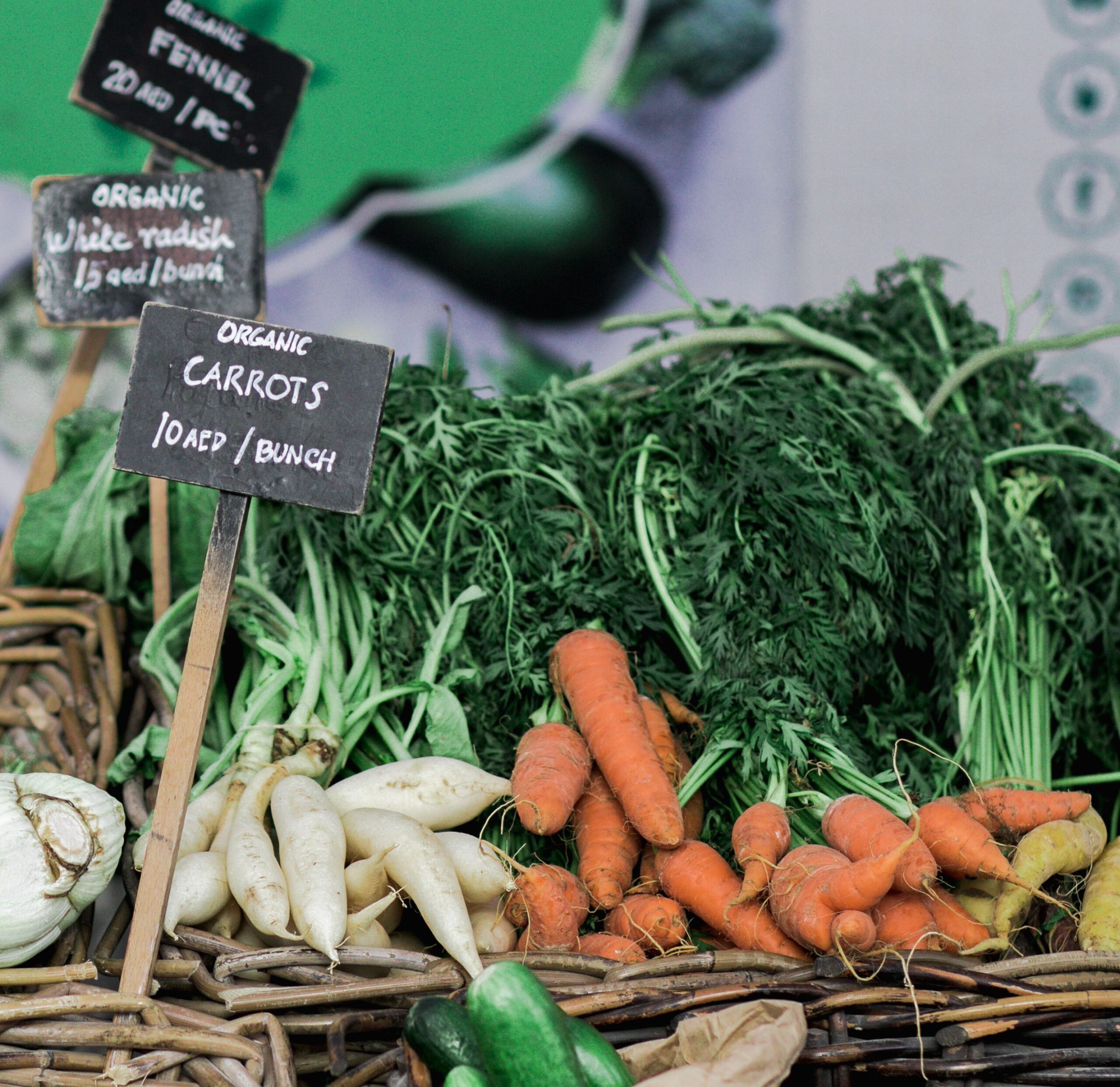
Everything you need to know about going Organic

You may be wondering what the difference is between ‘organic’ and conventionally grown produce. Not only this, but the difference between ‘organic’ and ‘certified organic’.

The term ‘organic’ can be used on any packaging or food products, without any official regulation. Where as foods with the  ‘Australian Certified Organic’ logo are required to abide by a number of standards. Organic certification takes a holistic approach to the growing and handling of ingredients used in food products. This may include an assessment of the whole system involved, including an analysis of the level of soil quality, sprays used and transportation of produce.

Making the switch to certified organic foods can have a number of benefits on your health, as well as the environment!


Here are a few benefits of making the switch:

  • Eating locally grown, Australian produce helps to support local farmers. 
  • Making the switch to eating organic means you will be less likely to eat out, and more likely to cook from scratch. This can help bump up your intake of fresh produce, while reducing food miles when sourced from local suppliers.
  • Reducing your exposure to herbicides and pesticides. Both of which can have negative effects on your health. Certified organic produce is not sprayed with any harmful chemicals, fertilisers or genetically modified organisms (GMO’s).


What to look for when choosing organic:

  • The Australian Certified Organic (ACO) logo on packaging. Products with this logo are regulated by ACO and have approved organic farming practices.
  • Seasonal produce. Organic foods are usually more affordable when they’re in season. Another idea is to source your veggies locally if you live in an area near an organic farm. Most certified organic produce in the supermarket/grocer is usually in season unless it has been imported.
  • Bite Me Fine Foods range of certified organic Veggie Patties and Falafels. This is a great option for those who lead busy lifestyles, and is an easy way to ensure your meals are organic instead of eating ‘less healthy’ options when eating on the go.

Other tips for going organic: 

  • Opt for home cooked meals made from organic ingredients.
  • Freeze your herbs so they last longer, as herbs can be costly.
  • If you’re wanting to make the switch to organic and aren’t sure where to start, make the switch for foods that are highly sprayed (berries, spinach and broccoli) and slowly transition over to bananas, melons and produce with a thick skin.


Overall, by making the choice to eat more organic foods, you can reduce your exposure to pesticides, herbicides, antibiotics and growth hormones.

If you’re looking for a quick, organic meal for those busy weeknights, try Bite Me Fine Foods range of vegan falafels and bites. They are all certified by the ACO regulations, and made from locally sourced Aussie produce. Visit the stockist page to find Bite Me products near you!


Article by Bec van den Elzen– Nutritionist BHSc (nut med)

5 Vegan Protein Sources

When eating a plant-based diet, it is more important than ever to be aware of your protein intake! By making sure you eat complete proteins (containing all amino acids) and a number of plant foods that are high in protein, you can get the most out of your meals. Plus, eating plant-based can help to increase your intake of vitamins, minerals and protein – all required for your body to function at its best!


Here are 5 great sources of plant-based protein:


1. Tempeh 

Tempeh is a good source of plant-based protein and is made from fermented soybeans. It also contains a number of B vitamins, iron and magnesium. Although it looks similar to tofu, tempeh is a healthier alternative due to the fermentation process and use of the whole soybean. It is a good source of probiotics and higher in fibre than tofu. 


2. Lentils 

Lentils are packed with protein and contain both soluble and insoluble fibre, which will keep you feeling fuller for longer and support healthy digestion. We’ve added lentils to our vegan falafels, try our Green Lentil Falafels or Red Lentil Fakki Patties as an easy way to add more lentils to your diet!


3. Chickpeas 

Chickpeas, also known as garbanzo beans, are another top source of vegan protein, b vitamins and zinc (important for vegans and vegetarians). Chickpeas have a low glycaemic index, allowing for a slow release of carbohydrates and prevent a spike in blood sugar levels. To support nutrient absorption, soaking chickpeas allows for easier digestion. The chickpeas found in our Vegetarian Falafels have been activated over a 48 process. 


4. Quinoa 

Quinoa can be considered a super-food as it is a complete source of plant-based protein (containing all amino acids). It’s also a gluten free grain, and can be added to savoury meals or as an alternative to rice, or even porridge! We’re a big fan of the super-food benefits of quinoa and it’s a key ingredient in our delicious Spicy Quinoa Falafels.


5. Hemp 

Hemp is the new super-food on the block. It’s an excellent source of plant-based protein and can be added to meals in the form of hemp seeds or protein powder. Hemp contains all the essential fatty acids, omega-3, 6 and 9, making it a good source of healthy fats. Hemp seeds are a great addition to savoury meals for a protein boost. Sprinkle on salads or add hemp protein powder to your smoothies!


Check-out our tasty range of Falafels and Veggie Patties packed with certified organic plant based proteins. 


Article by Bec van den Elzen – Nutritionist BHSc (nut med)