Tips to stay healthy (and happy) in lockdown – Part II

In the first part, we talked about taking care of our physical body through diet and movement. Below are some tips to look after your mental health and stay positive during these tough times.

Practice mindfulness

Mindfulness practices such as meditation or breathwork exercises can be a great first step in looking after your mental health during lockdown. Even if it is only for 5 to 15 minutes a day, these practices allow you to be fully present and bring your awareness back to your body.


Mindfulness practices can increase blood flow to your brain, allowing you to feel more relaxed and calm. For instance, practicing a short-term meditation is linked to reduced stress, anxiety and negative emotional patterns. It will also allow you to understand your own mental health needs better, which in turn will help you cope with difficult situations better.


Have fun!

Just let go and have fun! Set aside time each day to switch off – from work, social media, news and other commitments – and do something you truly enjoy. With little or no social activities, you may find that you have more time on your hands. This is a good opportunity to explore your hobbies or find one new ones. Challenge yourself to pick up that book you have been putting off, start journaling, spend time in nature, walk around the neighbourhood, or kick start your exercise regime.

Stay connected

In these difficult times, it is also important to stay in touch with friends and family. Take time out to check in with loved ones, do some fun activities together, or simply enjoy a meal together over FaceTime. These small acts can give you (and them) a massive mental boost.

Get a daily dose of fresh air & sunshine

Spending too much time indoors in one place can cause mental and emotional fatigue – or commonly referred to as a cabin fever. This is why it’s important to go outside for a walk or run at least once a day. This is beneficial for both the mind and the body – your mind gets a break from the task at hand, while your body gets to move and stretch.


Welcome in the warmer season and spend some time outside to soak up the sunshine and get your vitamin D fix – a vitamin that is extremely important in regulating your mood. Low levels of vitamin D have been linked to depression and poor mental health, so it is important to keep your vitamin D in check. If you live in an area with not much sunlight, think about investing in vitamin D supplements. Speak to your health professionals for more advice.


Lockdowns can be challenging, but they also open up opportunities for you to establish positive habits and focus on your wellbeing. Try incorporating these tips into your day, and your body will thank you for it later.


Article by Thimpika Sachdej – Qualified and Accredited Nutritionist
 

Tips to stay healthy (and happy) in lockdown – Part I

As the COVID-19 lockdown continues to keep many of us at home, it is more important now than ever to establish positive habits and stay healthy, both physically and mentally.

The uncertainty that comes with lockdown can be stressful, especially if you are typically social and spend most of your time outdoors. Suddenly finding yourself confined to a space – whether on your own, with family or with housemates – for several weeks or months can wreak havoc on your health. It may seem daunting, but with a bit of planning and understanding, you will find that you are more in control than you think!

Here are some tips to stay healthy and positive in lockdown.

Eat nourishing foods

Recipe and photography by Thimpika Sachdej

Diet and nutrition play a major role in your health and wellbeing. What you eat – or don’t eat – can affect how you feel literally from the inside out. Nourishing foods do not only help to support your immune system during the pandemic but also boosts your mood and mental wellbeing.

Based on the Australian Dietary Guidelines, it is recommended that you eat five serves of vegetables and two serves of fruits each day. Other foods to keep permanent in your diets are:
-Whole grains
-beans
-legumes
-nuts and seeds
These plant foods contain a myriad of antioxidants and phytochemicals (beneficial plant compounds) that help to support your body and mind, especially in times of stress.


Plant foods also contain fibre, an essential nutrient for your friendly gut microbes, which in turn help to support your gut health. Because a huge proportion of your immune system is located in the gut, a healthy gut also means strong immunity. If that’s not enough, your gut also talks to your brain and produces the majority of your brain chemicals that affect your moods and emotions. This is why good food does indeed lead to a good mood!

Also important to stay hydrated.

A general rule of thumb is drinking 8 glasses of filtered water a day. Staying well hydrated is important for your lymphatic system, which works closely with the immune system to keep you well. It also helps your body transport nutrients within and remove toxins from the body.

Follow a routine

In these uncertain times, having a routine can be extremely beneficial. A routine, if planned and followed well, can give you a sense of stability and peace of mind. For example, to have consistent meal times, as this has shown to improve your energy levels during the day and promote better sleep at night. It will prompt you to prioritise your nutrition and establish healthy eating habits.


If you are a morning person, you may also benefit from a morning routine. Setting a morning routine that you look forward to, such as a morning yoga or meditation followed by a cup of tea or coffee and a nourishing breakfast, will set you up for the day ahead in the most positive way!

Move your body

Staying active is essential for good physical and mental wellbeing. Regular physical activity has shown to not only boost your immunity but also lead to a healthier state of mind. It helps to block out any negative thoughts, increases your energy levels so you can concentrate better, as well as lifts your mood through changes in your brain chemicals. We know this as serotonin, endorphins and certain stress hormones.


It is recommended that adults get at least 30 minutes of moderate-intensity exercise each day. This could be achieved by following a yoga video on YouTube, go for a neighbourly brisk walk, jogging, weight training or even other forms of ‘unintentional exercise’ such as lawn mowing or doing some gardening.


Check out Part II for more tips on staying healthy and happy during lockdown.


Article by Thimpika Sachdej – Qualified and Accredited Nutritionist


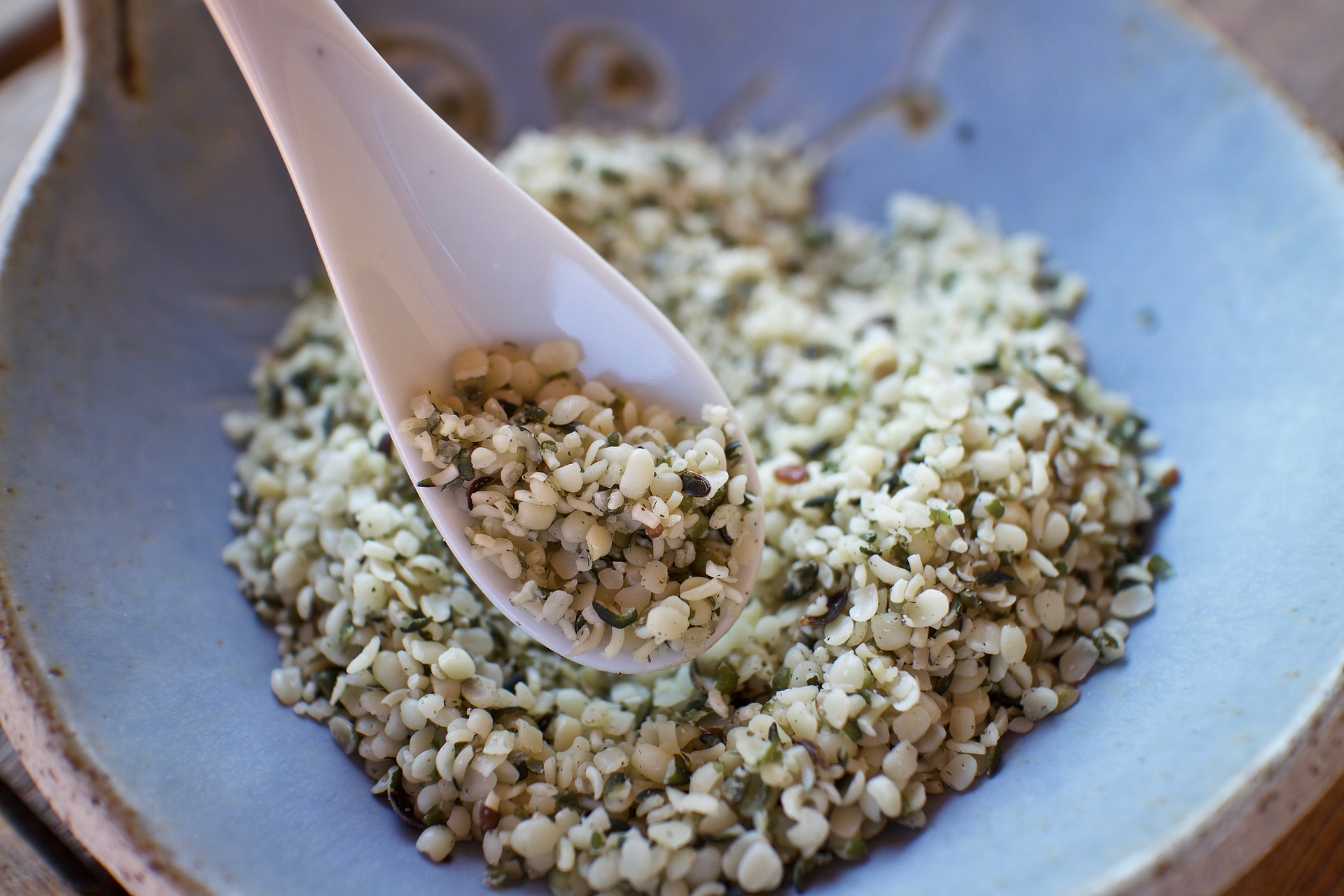
5 reasons why hemp deserves a place in your pantry

There has been a rise in hemp products found in supermarkets, health food stores, and in the pantry’s of Aussies since hemp was legalised in late 2017.

You may be wondering, what the difference is between hemp and marijuana – since they both come from the same type of plant. The main difference is that hemp only contains trace amounts of the compound Tetrahydrocannabinol (a psychoactive compound), which is why it has been legalised and is safe to eat. Hemp can be consumed in the form of hemp seeds, hemp seed oil or as a hemp protein. Here is everything you need to know about hemp, and why this nutritious food deserves a place in your pantry!


Benefits of Hemp


1. It’s rich in omega’s!

Don’t underestimate it’s size, hemp seeds may be small, but they are packed with the perfect ratio of omega-3 and omega-6 required for human health. Due to its omega-3 content, hemp seed oil has anti-inflammatory properties, and supports the function and appearance of skin health.


2. An excellent source of plant-based protein

In fact, the humble hemp seed is made up of 50-60% protein. Hemp seeds contain both edestin and albumin, which are easily digestible proteins, which also contain all essential amino acids (the building blocks of protein).


3. It’s contains antioxidants

Hemp seeds are rich in antioxidants, which have been linked to reducing the risk of neurodegenerative diseases, cardiovascular disease, as well as skin and gut conditions.


4. Hemp is highly versatile and can be used to boost the nutritional value of your meals!

You’ll also find a number of vitamins and minerals in hemp seeds, including magnesium, potassium, calcium, iron, zinc and b vitamins. Every time you add hemp to your meals, your sprinkling on an abundance of beneficial nutrients. Fact: hemp seeds are technically considered to be a nut!


5. It’s packed with fibre

A large amount of fibre found in hemp seeds is in the hull, which is also known as the outer shell. However, hulled hemp seeds are also a good source of fibre to help boost the fibre content of your meals.


How to eat more hemp:

  • Sprinkle hemp on your cereal and meals.
  • Drizzle your salads with hemp seed oil.
  • Pick-up a packet of Bite Me Fine Foods Organic Zucchini Fritters and Organic Golden Hashbrowns which are boosted with the benefits of hemp seeds.
  • Add a handful of hempseeds to smoothies.