Tips to stay healthy (and happy) in lockdown – Part II

In the first part, we talked about taking care of our physical body through diet and movement. Below are some tips to look after your mental health and stay positive during these tough times.

Practice mindfulness

Mindfulness practices such as meditation or breathwork exercises can be a great first step in looking after your mental health during lockdown. Even if it is only for 5 to 15 minutes a day, these practices allow you to be fully present and bring your awareness back to your body.


Mindfulness practices can increase blood flow to your brain, allowing you to feel more relaxed and calm. For instance, practicing a short-term meditation is linked to reduced stress, anxiety and negative emotional patterns. It will also allow you to understand your own mental health needs better, which in turn will help you cope with difficult situations better.


Have fun!

Just let go and have fun! Set aside time each day to switch off – from work, social media, news and other commitments – and do something you truly enjoy. With little or no social activities, you may find that you have more time on your hands. This is a good opportunity to explore your hobbies or find one new ones. Challenge yourself to pick up that book you have been putting off, start journaling, spend time in nature, walk around the neighbourhood, or kick start your exercise regime.

Stay connected

In these difficult times, it is also important to stay in touch with friends and family. Take time out to check in with loved ones, do some fun activities together, or simply enjoy a meal together over FaceTime. These small acts can give you (and them) a massive mental boost.

Get a daily dose of fresh air & sunshine

Spending too much time indoors in one place can cause mental and emotional fatigue – or commonly referred to as a cabin fever. This is why it’s important to go outside for a walk or run at least once a day. This is beneficial for both the mind and the body – your mind gets a break from the task at hand, while your body gets to move and stretch.


Welcome in the warmer season and spend some time outside to soak up the sunshine and get your vitamin D fix – a vitamin that is extremely important in regulating your mood. Low levels of vitamin D have been linked to depression and poor mental health, so it is important to keep your vitamin D in check. If you live in an area with not much sunlight, think about investing in vitamin D supplements. Speak to your health professionals for more advice.


Lockdowns can be challenging, but they also open up opportunities for you to establish positive habits and focus on your wellbeing. Try incorporating these tips into your day, and your body will thank you for it later.


Article by Thimpika Sachdej – Qualified and Accredited Nutritionist
 

Tips to stay healthy (and happy) in lockdown – Part I

As the COVID-19 lockdown continues to keep many of us at home, it is more important now than ever to establish positive habits and stay healthy, both physically and mentally.

The uncertainty that comes with lockdown can be stressful, especially if you are typically social and spend most of your time outdoors. Suddenly finding yourself confined to a space – whether on your own, with family or with housemates – for several weeks or months can wreak havoc on your health. It may seem daunting, but with a bit of planning and understanding, you will find that you are more in control than you think!

Here are some tips to stay healthy and positive in lockdown.

Eat nourishing foods

Recipe and photography by Thimpika Sachdej

Diet and nutrition play a major role in your health and wellbeing. What you eat – or don’t eat – can affect how you feel literally from the inside out. Nourishing foods do not only help to support your immune system during the pandemic but also boosts your mood and mental wellbeing.

Based on the Australian Dietary Guidelines, it is recommended that you eat five serves of vegetables and two serves of fruits each day. Other foods to keep permanent in your diets are:
-Whole grains
-beans
-legumes
-nuts and seeds
These plant foods contain a myriad of antioxidants and phytochemicals (beneficial plant compounds) that help to support your body and mind, especially in times of stress.


Plant foods also contain fibre, an essential nutrient for your friendly gut microbes, which in turn help to support your gut health. Because a huge proportion of your immune system is located in the gut, a healthy gut also means strong immunity. If that’s not enough, your gut also talks to your brain and produces the majority of your brain chemicals that affect your moods and emotions. This is why good food does indeed lead to a good mood!

Also important to stay hydrated.

A general rule of thumb is drinking 8 glasses of filtered water a day. Staying well hydrated is important for your lymphatic system, which works closely with the immune system to keep you well. It also helps your body transport nutrients within and remove toxins from the body.

Follow a routine

In these uncertain times, having a routine can be extremely beneficial. A routine, if planned and followed well, can give you a sense of stability and peace of mind. For example, to have consistent meal times, as this has shown to improve your energy levels during the day and promote better sleep at night. It will prompt you to prioritise your nutrition and establish healthy eating habits.


If you are a morning person, you may also benefit from a morning routine. Setting a morning routine that you look forward to, such as a morning yoga or meditation followed by a cup of tea or coffee and a nourishing breakfast, will set you up for the day ahead in the most positive way!

Move your body

Staying active is essential for good physical and mental wellbeing. Regular physical activity has shown to not only boost your immunity but also lead to a healthier state of mind. It helps to block out any negative thoughts, increases your energy levels so you can concentrate better, as well as lifts your mood through changes in your brain chemicals. We know this as serotonin, endorphins and certain stress hormones.


It is recommended that adults get at least 30 minutes of moderate-intensity exercise each day. This could be achieved by following a yoga video on YouTube, go for a neighbourly brisk walk, jogging, weight training or even other forms of ‘unintentional exercise’ such as lawn mowing or doing some gardening.


Check out Part II for more tips on staying healthy and happy during lockdown.


Article by Thimpika Sachdej – Qualified and Accredited Nutritionist


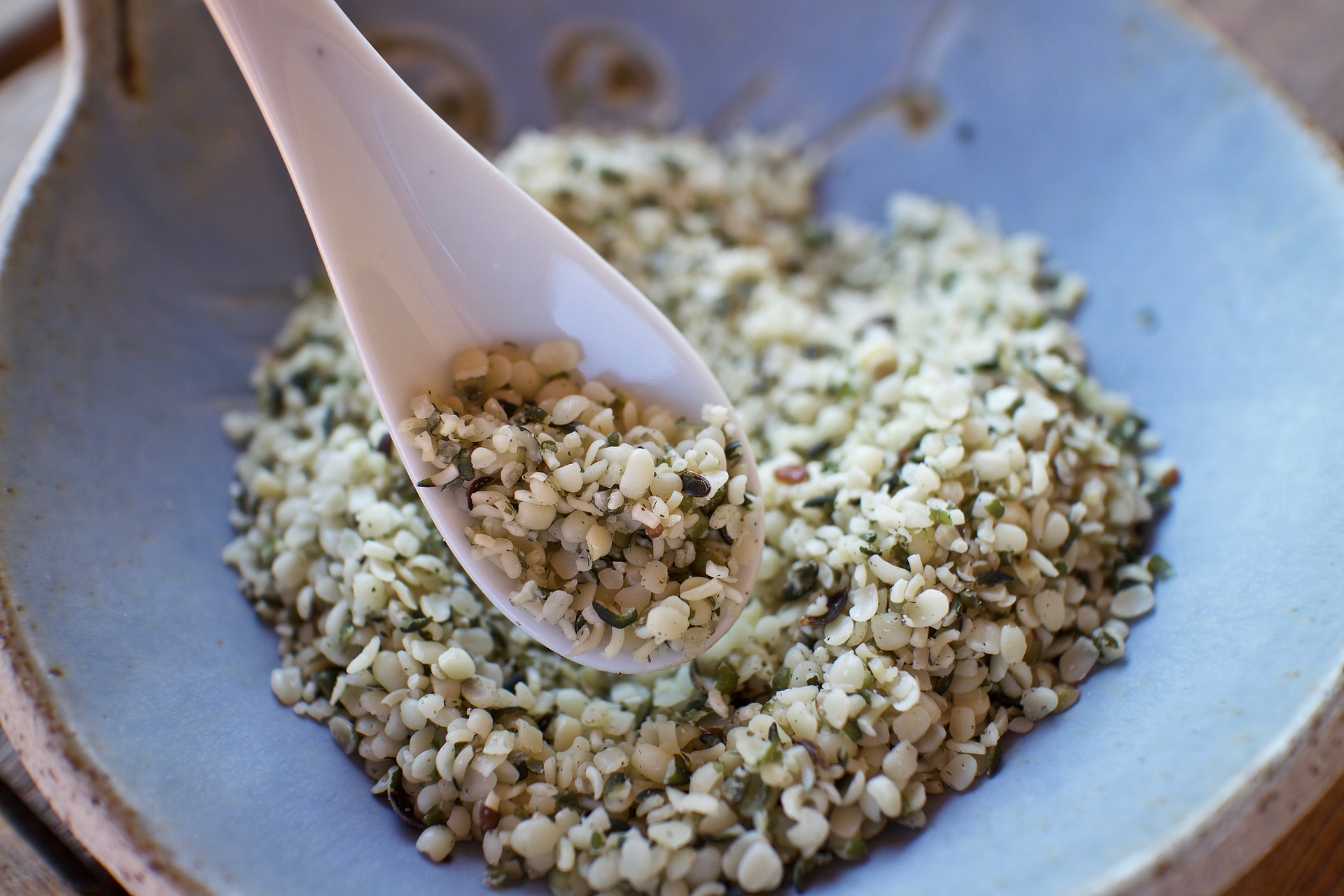
5 reasons why hemp deserves a place in your pantry

There has been a rise in hemp products found in supermarkets, health food stores, and in the pantry’s of Aussies since hemp was legalised in late 2017.

You may be wondering, what the difference is between hemp and marijuana – since they both come from the same type of plant. The main difference is that hemp only contains trace amounts of the compound Tetrahydrocannabinol (a psychoactive compound), which is why it has been legalised and is safe to eat. Hemp can be consumed in the form of hemp seeds, hemp seed oil or as a hemp protein. Here is everything you need to know about hemp, and why this nutritious food deserves a place in your pantry!


Benefits of Hemp


1. It’s rich in omega’s!

Don’t underestimate it’s size, hemp seeds may be small, but they are packed with the perfect ratio of omega-3 and omega-6 required for human health. Due to its omega-3 content, hemp seed oil has anti-inflammatory properties, and supports the function and appearance of skin health.


2. An excellent source of plant-based protein

In fact, the humble hemp seed is made up of 50-60% protein. Hemp seeds contain both edestin and albumin, which are easily digestible proteins, which also contain all essential amino acids (the building blocks of protein).


3. It’s contains antioxidants

Hemp seeds are rich in antioxidants, which have been linked to reducing the risk of neurodegenerative diseases, cardiovascular disease, as well as skin and gut conditions.


4. Hemp is highly versatile and can be used to boost the nutritional value of your meals!

You’ll also find a number of vitamins and minerals in hemp seeds, including magnesium, potassium, calcium, iron, zinc and b vitamins. Every time you add hemp to your meals, your sprinkling on an abundance of beneficial nutrients. Fact: hemp seeds are technically considered to be a nut!


5. It’s packed with fibre

A large amount of fibre found in hemp seeds is in the hull, which is also known as the outer shell. However, hulled hemp seeds are also a good source of fibre to help boost the fibre content of your meals.


How to eat more hemp:

  • Sprinkle hemp on your cereal and meals.
  • Drizzle your salads with hemp seed oil.
  • Pick-up a packet of Bite Me Fine Foods Organic Zucchini Fritters and Organic Golden Hashbrowns which are boosted with the benefits of hemp seeds.
  • Add a handful of hempseeds to smoothies.

The many benefits of Coconut Oil

You may be familiar with some of the benefits of coconut oil. It’s use and popularity have grown over the last decade, due to its versatility and health benefits.

Coconut oil is one of the main sources of fat used in cooking throughout South East Asia. It is made up of mostly saturated fatty acids, including medium-chain-triglycerides (MCTs). MCTs may improve insulin sensitivity, and have a number of antioxidant, anti-inflammatory and anti-microbial properties. Read more below for just a few of the reason’s we love coconut oil.


It’s a source of MCTs

Medium chain triglycerides (MCTs) are known for their health benefits, which include promoting healthy weight loss, supporting the body in burning fat, and reducing lactate build-up during exercise. They also have lower melting points to oils with long chain fatty acids, and are directly absorbed by the intestine and sent to the liver to be used as energy. The MCTs found in coconut oil come from lauric acid, and are what sets it apart chemically from other oils and saturated fats.


It contains antiviral, antifungal and antibacterial properties

Coconut oil has been used medicinally, and topically for thousands of years to help with wound healing, and for its anti-inflammatory anti-bacterial properties.


It has a high smoke point

Due to its high smoke point, coconut oil is commonly used for cooking. High smoke points are known as the temperature that fat starts to oxidize, which can have an undesirable affect on the oils taste, and nutrient profile. 


May improve your skin

Coconut oil has shown to help moisturise dry and damaged skin. It has also been shown to be beneficial for relieving eczema symptoms when applied topically.


We are proud to use only the best certified-organic, virgin coconut oil in our Organic Vegetarian Falafels. Our coconut oil is sustainably sourced from Papanu Guinea and is:

  • Low in food miles – it has travelled less food miles than any other type of coconut oil in Australia.
  • Cold pressed and cholesterol free
  • Raw, and 100% organic
  • Wild harvested, and sustainably sourced
  • Free from preservatives and additives
  • Fair trade – the coconut oil is hand finished on site by the Tolai peoples of Gunanur, Napapar and Vungogo villages in Papanu Guinea. It supports the local industry and community.
  • Unrefined, and fresh from the shell to preserve the natural nutritive essence.


How to Feel Full on a Plant Based Diet

The many benefits of following a plant-based diet are well know, which include reducing the risk of type 2 diabetes, cardiovascular disease and systemic inflammation. When going plant-based or reducing your consumption of meat and animal-derived products, it is important to start planning your meals. This can help to ensure your body is getting an adequate intake of macro and micro nutrients. It is common to feel more hungry when transitioning to a plant based diet. By making these simple changes, you will start to feel fuller for longer after each meal!


Try these 5 tips to help beat the hunger:


1. Increase your fibre intake

High fibre foods, in particular, those containing soluble fibre, take longer for the body to digest. Foods high in soluble fibre include legumes, vegetables and oats. Adding more fibre-rich foods to your meals is an easy way to help you feel full while eating a plant-based diet.

2. Focus on plant-based proteins

Adding plant-based proteins to your meals can help you to feel fuller after eating. It’s particularly important to focus on eating complete proteins, which include tempeh, lentils, chickpeas and quinoa. You can read more about plant-based proteins here: 5 great sources of plant-based protein. Our range of certified organic Falafels and Veggie Patties contain a number of beneficial plant-based proteins including lentils, chickpeas and quinoa. They can be added to your meals for a boost of fibre and protein. 

3.    Increase your intake of healthy fats

Studies have shown that fats promote satiety (the feeling of fullness). This can be due to taking longer to digest, as well as appetite regulation after consuming fat, which is mediated by a number of gut hormones. Healthy fats to add to your meals can include avocados, walnuts, hemp seeds, hemp oil, olive oil or flaxseed oil. Sprinkle nuts and seeds onto your salads or drizzle flaxseed oil for a boost of healthy fats.

4.    Have healthy snacks on hand

A simple but underestimated tip for ensuring you stay full after eating plant-based meals is ensuring you always have a healthy snack on hand. Some ideas can include a homemade trail mix with your favourite nuts and seeds, or protein balls made from a vegan protein. 

5.    Fill up on non-starchy vegetables

Add extra non-starchy vegetables to your diet. This can include leafy greens, broccoli, cauliflower, beans, cabbage and celery. These vegetables are rich in micro-nutrients, which have a number of beneficial health-promoting properties.  

Check-out our plant-based recipes for balanced nutritious meal ideas.


Article by Bec van den Elzen – Accredited Nutritionist BHSc (nut med) 

Everything you need to know about going Organic

You may be wondering what the difference is between ‘organic’ and conventionally grown produce. Not only this, but the difference between ‘organic’ and ‘certified organic’.

The term ‘organic’ can be used on any packaging or food products, without any official regulation. Where as foods with the  ‘Australian Certified Organic’ logo are required to abide by a number of standards. Organic certification takes a holistic approach to the growing and handling of ingredients used in food products. This may include an assessment of the whole system involved, including an analysis of the level of soil quality, sprays used and transportation of produce.

Making the switch to certified organic foods can have a number of benefits on your health, as well as the environment!


Here are a few benefits of making the switch:

  • Eating locally grown, Australian produce helps to support local farmers. 
  • Making the switch to eating organic means you will be less likely to eat out, and more likely to cook from scratch. This can help bump up your intake of fresh produce, while reducing food miles when sourced from local suppliers.
  • Reducing your exposure to herbicides and pesticides. Both of which can have negative effects on your health. Certified organic produce is not sprayed with any harmful chemicals, fertilisers or genetically modified organisms (GMO’s).


What to look for when choosing organic:

  • The Australian Certified Organic (ACO) logo on packaging. Products with this logo are regulated by ACO and have approved organic farming practices.
  • Seasonal produce. Organic foods are usually more affordable when they’re in season. Another idea is to source your veggies locally if you live in an area near an organic farm. Most certified organic produce in the supermarket/grocer is usually in season unless it has been imported.
  • Bite Me Fine Foods range of certified organic Veggie Patties and Falafels. This is a great option for those who lead busy lifestyles, and is an easy way to ensure your meals are organic instead of eating ‘less healthy’ options when eating on the go.

Other tips for going organic: 

  • Opt for home cooked meals made from organic ingredients.
  • Freeze your herbs so they last longer, as herbs can be costly.
  • If you’re wanting to make the switch to organic and aren’t sure where to start, make the switch for foods that are highly sprayed (berries, spinach and broccoli) and slowly transition over to bananas, melons and produce with a thick skin.


Overall, by making the choice to eat more organic foods, you can reduce your exposure to pesticides, herbicides, antibiotics and growth hormones.

If you’re looking for a quick, organic meal for those busy weeknights, try Bite Me Fine Foods range of vegan falafels and bites. They are all certified by the ACO regulations, and made from locally sourced Aussie produce. Visit the stockist page to find Bite Me products near you!


Article by Bec van den Elzen– Nutritionist BHSc (nut med)

5 Vegan Protein Sources

When eating a plant-based diet, it is more important than ever to be aware of your protein intake! By making sure you eat complete proteins (containing all amino acids) and a number of plant foods that are high in protein, you can get the most out of your meals. Plus, eating plant-based can help to increase your intake of vitamins, minerals and protein – all required for your body to function at its best!


Here are 5 great sources of plant-based protein:


1. Tempeh 

Tempeh is a good source of plant-based protein and is made from fermented soybeans. It also contains a number of B vitamins, iron and magnesium. Although it looks similar to tofu, tempeh is a healthier alternative due to the fermentation process and use of the whole soybean. It is a good source of probiotics and higher in fibre than tofu. 


2. Lentils 

Lentils are packed with protein and contain both soluble and insoluble fibre, which will keep you feeling fuller for longer and support healthy digestion. We’ve added lentils to our vegan falafels, try our Green Lentil Falafels or Red Lentil Fakki Patties as an easy way to add more lentils to your diet!


3. Chickpeas 

Chickpeas, also known as garbanzo beans, are another top source of vegan protein, b vitamins and zinc (important for vegans and vegetarians). Chickpeas have a low glycaemic index, allowing for a slow release of carbohydrates and prevent a spike in blood sugar levels. To support nutrient absorption, soaking chickpeas allows for easier digestion. The chickpeas found in our Vegetarian Falafels have been activated over a 48 process. 


4. Quinoa 

Quinoa can be considered a super-food as it is a complete source of plant-based protein (containing all amino acids). It’s also a gluten free grain, and can be added to savoury meals or as an alternative to rice, or even porridge! We’re a big fan of the super-food benefits of quinoa and it’s a key ingredient in our delicious Spicy Quinoa Falafels.


5. Hemp 

Hemp is the new super-food on the block. It’s an excellent source of plant-based protein and can be added to meals in the form of hemp seeds or protein powder. Hemp contains all the essential fatty acids, omega-3, 6 and 9, making it a good source of healthy fats. Hemp seeds are a great addition to savoury meals for a protein boost. Sprinkle on salads or add hemp protein powder to your smoothies!


Check-out our tasty range of Falafels and Veggie Patties packed with certified organic plant based proteins. 


Article by Bec van den Elzen – Nutritionist BHSc (nut med)

5 reasons why you should eat more plants

A diet high in plants has shown to have a number of health benefits. By eating a variety of plant-based foods such as fruits, vegetables, nuts, seeds and whole grains, you can boost your daily intake of nutrients and support optimum health. Plant foods are also high in vitamins, minerals, antioxidants, fibre, protein and omega-3’s.

Here are 5 benefits of eating more plants:

1. They are high in antioxidants and phytochemicals

Antioxidants support the body in fighting against free radicals and toxins. Phytochemicals are the bioactive compounds found in fruits and vegetables, which have shown to reduce the risk of a number of chronic diseases. Phytochemicals give fruits and vegetables their pigment, flavour and scent (think the deep blue colour of blueberries, and bright red colour of strawberries!).

2. High in fibre

Fibre is essential for gut health and supports the digestive processes. A diet high in fibre supports a healthy weight, balanced blood sugar levels, improved gut function and healthy cholesterol levels. Plant-foods are also a great source of soluble and insoluble fibre. Soluble fibre will keep you feeling fuller for longer, while insoluble fibre promotes regularity and a healthy colon environment.

3. They reduce inflammation

Plant foods including chia seeds, flaxseeds, hemp seeds and walnuts are all excellent sources of omega-3 essential fatty acids, which have an anti-inflammatory effect on the body.

4. They promote a healthy weight

Not only are plant foods a great source of fibre, they also promote satiety (the feeling of fullness), aid weight loss and stabilises blood sugar levels – so you’ll be less likely to over-eat. Plant foods have also shown to reduce the risk of heart disease and diabetes.

5. Detox support

Leafy greens and brassica vegetables play a vital role in liver detoxification. Liver detox helps the body to balance hormone levels, improves skin health, liver function and removes unwanted toxins!

Tips for increasing your plant-food intake:

  • Veggie sticks and nut butter. An easy healthy snack! Chop up your favourite vegetables along with a nut butter (high in good fats and protein).
  • Bite Me Fine Foods products. Great-tasting range of certified-organic falafels and bites, which are all vegan, made fresh, locally grown, and packed with a number of different vegetables!
  • Fruit Salad. Make a batch of fruit salad to take to work.
  • Smoothies. Add your favourite fruits and veggies to a smoothie for a nutrient-packed meal. A delicious combo to try is coconut water, strawberries, pineapple, baby spinach, kale and chia seeds.
  • Eat the rainbow. Aim to eat a variety of different coloured fruits and vegetables each day to get the maximum amount of nutrients and phytochemicals!

Article by Rebecca van den Elzen – Accredited Nutritionist BHSc (nut med)